
Advertising technology, commonly known as AdTech, refers to the software, platforms, tools, and systems used to plan, buy, sell, deliver, target, and measure digital advertising. It connects advertisers looking to reach specific audiences with publishers that have advertising space to sell.
From programmatic advertising and real-time bidding to audience targeting and campaign optimisation, advertising technology plays a central role in how digital ads are bought and delivered today.
But what exactly is AdTech, how does it work, and which technologies make up the AdTech ecosystem?
What Is Advertising Technology?
Advertising technology is the technology used to manage and automate digital advertising activities. It covers the tools that help advertisers purchase ad placements, publishers sell inventory, and both sides measure campaign performance.
The AdTech ecosystem includes several types of platforms, including:
- Demand-side platforms (DSPs)
- Supply-side platforms (SSPs)
- Ad exchanges
- Ad servers
- Ad networks
- Data management platforms (DMPs)
- Audience and targeting solutions
- Analytics and measurement platforms
These technologies can work together to automate many parts of the advertising process. Instead of manually negotiating every ad placement, advertisers can use AdTech platforms to define their audiences, set campaign parameters, bid on available inventory, and track results.
How Does AdTech Work?
Advertising technology connects multiple participants in the digital advertising ecosystem.
At a basic level, the process looks like this:
Advertiser → DSP → Ad exchange → SSP → Publisher → User
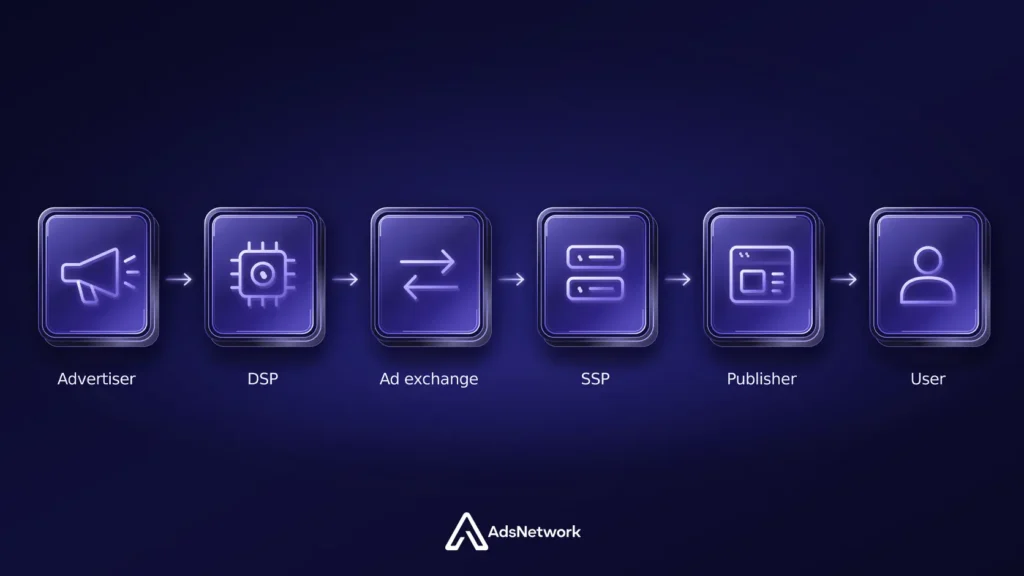
An advertiser starts by creating a campaign and defining parameters such as the target audience, budget, geographic location, ad format, and campaign goals.
When an advertising opportunity becomes available on a publisher’s website or app, automated systems can evaluate the impression and determine which advertiser is willing to pay for it. In programmatic environments, this process can happen in milliseconds.
The winning ad is then delivered to the user’s screen, while the relevant platforms collect performance data that can be used to optimise the campaign.
The Main Components of the AdTech Ecosystem
Advertising technology consists of several interconnected platforms. Each one has a different role in the process.
Demand-Side Platforms (DSPs)
A demand-side platform allows advertisers and agencies to purchase digital advertising inventory through a single platform.
DSPs can help advertisers manage campaigns across multiple publishers and ad exchanges. They can also use targeting data and automated bidding to help advertisers reach specific audiences.
Supply-Side Platforms (SSPs)
A supply-side platform is designed for publishers.
SSPs help publishers manage and sell their available advertising inventory. They can connect publisher inventory with multiple demand sources and automate the process of receiving and evaluating bids.
Ad Exchanges
An ad exchange is a marketplace where advertising inventory can be bought and sold programmatically.
The ad exchanges connect supply and demand, allowing advertisers to bid on available impressions while publishers make their inventory available to potential buyers.
Ad Servers
Ad servers are used to manage, deliver, and measure digital advertisements.
They can determine which creative should be displayed, track impressions and clicks, and provide reporting data that advertisers and publishers can use to evaluate performance.
Ad Networks
An ad network connects advertisers with groups of publishers that have advertising inventory available.
Ad networks can provide access to different audiences and websites without requiring advertisers to establish individual relationships with every publisher.
Data and Audience Platforms
Data plays a major role in modern advertising technology. Audience and data platforms can help advertisers understand user segments and build targeting strategies.
Depending on the platform and data source, advertisers may use information such as location, interests, browsing behaviour, contextual signals, or previous interactions with a brand.
What Is Programmatic Advertising?
Programmatic advertising is one of the most important applications of advertising technology.
It uses software to automate the buying and selling of digital advertising inventory. Instead of relying primarily on manual negotiations and direct placement agreements, advertisers can use automated systems to purchase impressions based on predefined campaign criteria.
Programmatic advertising can include several buying methods, including real-time bidding.
With real-time bidding (RTB), an available ad impression can be offered to potential buyers through an automated auction. Advertisers submit bids based on factors such as the audience, placement, and campaign requirements.
The process takes place in milliseconds, allowing the winning advertisement to be selected before the webpage or app content is displayed.
Advertising Technology vs. MarTech
AdTech and MarTech are closely related, but they serve different purposes.
AdTech focuses primarily on paid advertising. It helps advertisers purchase media, reach audiences, deliver advertisements, and measure advertising campaigns.
MarTech, or marketing technology, covers a broader range of marketing activities. It can include email marketing platforms, customer relationship management systems, marketing automation tools, content management systems, and analytics platforms.
There can be some overlap between the two categories, particularly as advertising platforms increasingly use customer and first-party data to improve targeting and measurement.
What Are the Benefits of Advertising Technology?
Advertising technology can simplify and automate many parts of digital advertising.
Automated media buying
AdTech platforms can automate the purchase of advertising inventory, reducing the amount of manual work involved in campaign management.
Audience targeting
Advertisers can use different targeting signals to reach audiences based on factors such as location, interests, behaviour, device, and contextual information.
Real-time optimisation
Campaign performance can be monitored while campaigns are running. Advertisers can use performance data to adjust bids, targeting, budgets, and placements.
Access to more inventory
Programmatic platforms can give advertisers access to advertising inventory across numerous websites, apps, and digital environments through a single system.
Performance measurement
AdTech platforms provide data that can help advertisers understand metrics such as impressions, clicks, conversions, costs, and return on advertising spend.
How AI Is Changing Advertising Technology
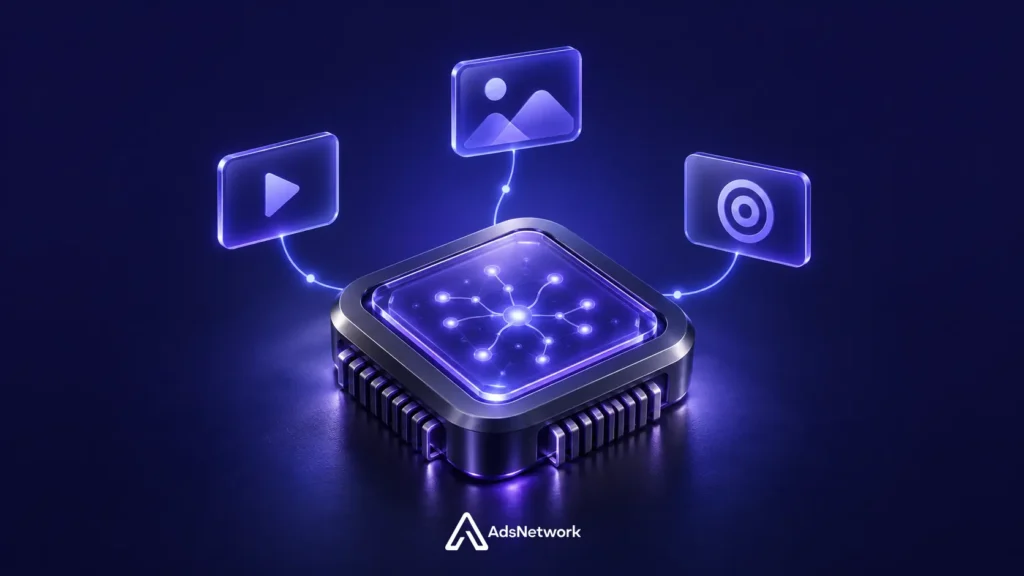
Artificial intelligence is becoming increasingly integrated into advertising technology.
AI and machine learning can process large amounts of campaign data and identify patterns that would be difficult to analyse manually. These technologies can be used for tasks such as audience analysis, bid optimisation, campaign automation, fraud detection, and performance forecasting.
For advertisers, this can mean less manual campaign management and faster responses to changes in performance.
However, AI does not replace the need for a clear advertising strategy. Campaign objectives, creative quality, audience selection, budgets, and measurement still influence the results of an advertising campaign.
What Is the Future of Advertising Technology?
Advertising technology continues to evolve as advertisers, publishers, platforms, and regulators respond to changes in consumer behaviour and data privacy.
Several areas are likely to remain important, including:
- AI-powered campaign optimisation
- Contextual targeting
- First-party data
- Privacy-focused advertising
- Connected TV advertising
- Cross-channel campaign management
- More advanced measurement and attribution
- Automated creative optimisation
The AdTech ecosystem is also becoming increasingly connected. Advertisers want to manage campaigns across multiple formats and channels while maintaining visibility into performance.
Final Thoughts
Advertising technology has transformed how digital advertising is bought, sold, delivered, and measured. What once required extensive manual coordination can now be managed through interconnected platforms that automate much of the process.
From DSPs and SSPs to ad exchanges, programmatic advertising, audience targeting, and AI-powered optimisation, AdTech provides the infrastructure behind much of today’s digital advertising.
For advertisers, understanding how these technologies work can make it easier to choose the right platforms, build effective campaigns, and make better use of advertising data.
Featured Posts
Sep 16, 2026
8 min read
Media Buying: A Complete Guide for Advertisers
Media buying is the process of purchasing advertising space to reach a target audience. It includes choosing where…
Read Article
Sep 7, 2026
8 min read
Programmatic Advertising vs Display Advertising: What’s the Difference?
Programmatic and display advertising are often used interchangeably, but they describe two different parts of digital advertising. Display…
Read Article
Sep 7, 2026
7 min read
What Is Display Advertising? Types, Examples, Sizes & Benefits
Display advertising is a form of digital advertising that uses visual ads to promote a brand, product, service,…
Read ArticleNeed Help?
Our team is ready to help you launch successful campaigns.
AI-Powered Mobile
Monitor Your Campaigns Anywhere
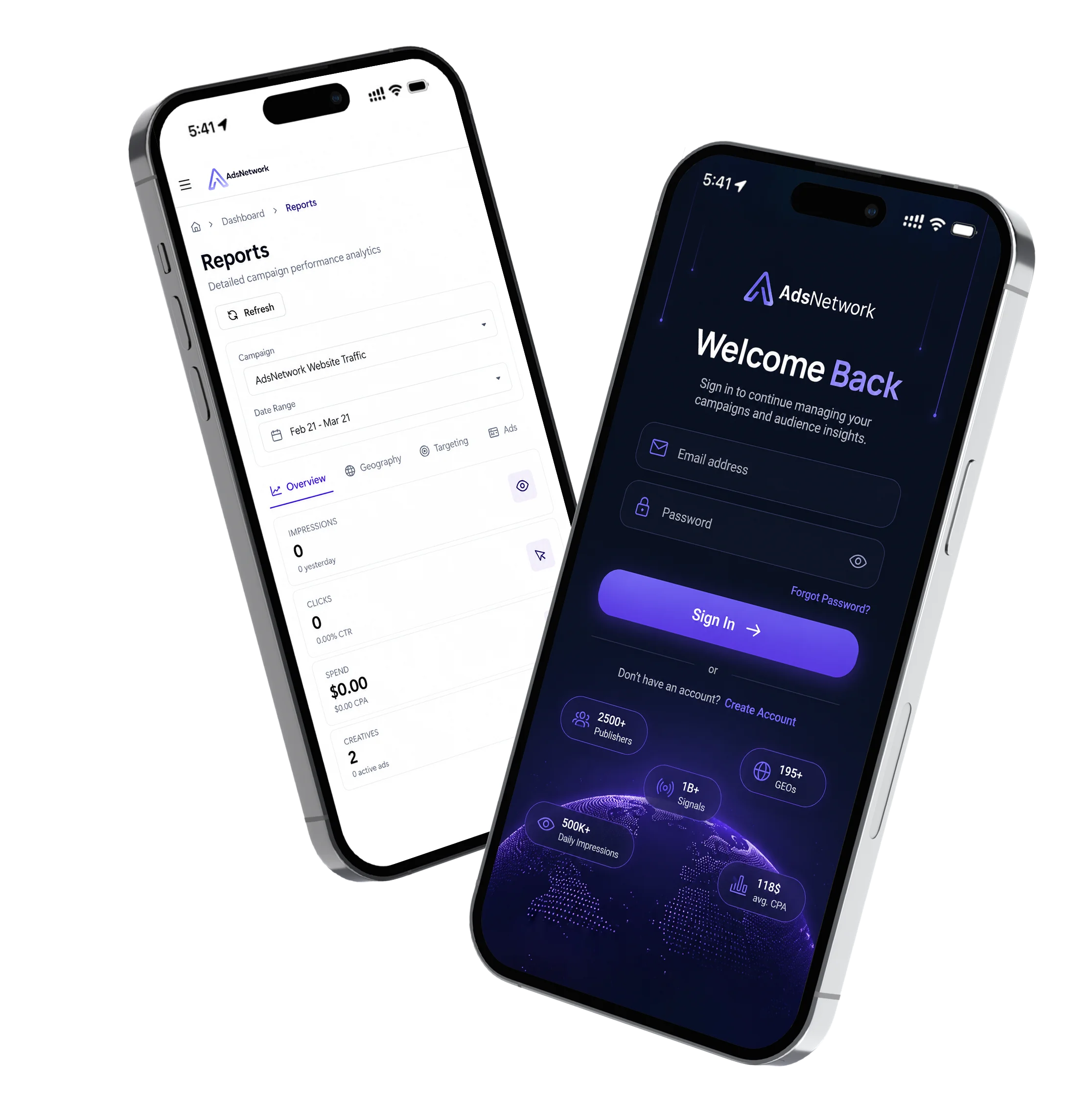
Stay connected to your live AdsNetwork campaigns with our mobile advertising app. Track impressions, clicks, conversions, campaign spend, and overall performance in real time—anytime, anywhere. Available for iOS and Android.