
The badge is sold out. The audience is not. This summer, one tournament pulls billions of eyes across 48 teams, 104 matches, and 16 host cities from June 11 to July 19. World cup advertising is about to get loud. Most of that noise will come from brands that never signed a sponsorship deal. Official partners paid nine figures to stand beside the trophy. You do not need the trophy. You need the attention around it, and you can buy that at a performance budget.
The spend backs this up. WARC forecasts that the 2026 tournament will inject 10.5 billion dollars into the global ad market. However, premium inventory is brutal. Streaming CPMs are projected to run between 60 and 120 dollars, according to buyers tracked by Digiday. As a result, the broadcast tier prices out most mid-size brands. The real opportunity sits elsewhere. Fan attention spills far past the live feed, and that is where the next ten plays live.
Why the World Cup Is an Advertising Opportunity for Every Brand
FIFA World Cup 2026 advertising is not a single moment. Instead, it is five weeks of sustained attention across an entire football economy. When a match kicks off, the spike does not stay on the broadcast. It moves to news sites, social feeds, betting apps, fantasy platforms, and second screens. So, the audience you want is everywhere the fans are, not only where the cameras point.
The betting surge shows the scale. Around 60% of fans plan to place a bet during the tournament, with a meaningful share doing so for the first time, according to Altenar. Moreover, many of those people are searching, comparing, and clicking for weeks before they commit. In particular, first-time bettors research apps far more carefully than seasoned ones, which rewards brands that show up early.
This is also not a one-day event. Matches run daily from June 11 to July 19, across three host nations. That is a long, rolling window of intent. So the smart play is simple. You are not buying the tournament. You are buying the audience the tournament creates, and world cup advertising rewards brands that show up where attention actually lives.

10 Ways to Advertise During the World Cup Without a Sponsorship
1. Start Your World Cup Advertising With Programmatic
Programmatic is the backbone. It lets you buy fan attention across thousands of sports and news sites in real time. There is no rights deal and no logo risk. You bid on the audience, not the broadcast. Real-time bidding drops your creative next to match previews, live blogs, and standings the moment a reader loads the page. Moreover, you keep full control of GEO, device, frequency, and time of day. For a primer on how the auction works, see our guide to programmatic advertising. Then layer the formats below on top, and explore the full ad formats menu to match each placement to intent. In particular, it works well for awareness when paired with the more direct formats that follow. This is the cleanest entry point into tournament reach, and it scales the instant a match trends.
2. Target Match-Day Moments With Push Notification Ads
Attention spikes hardest on match day. Push notification ads meet users at that exact moment of intent. They land on the device like a system alert, so they feel native rather than intrusive. Specifically, you can fire a push two hours before kickoff, again at halftime, and once more at the final whistle. Because the format is opt-in, you reach people who already raised their hand for updates. In addition, push works across iGaming, crypto, finance, and ecommerce offers, which makes it ideal for tournament timing. Keep the creative short and the call to action sharp. Our breakdown of push notification ads covers timing, frequency caps, and creative angles in detail. During a daily-match window, this format turns fleeting attention into clicks faster than almost any other.
3. Capture Second-Screen Traffic With Popunder Campaigns
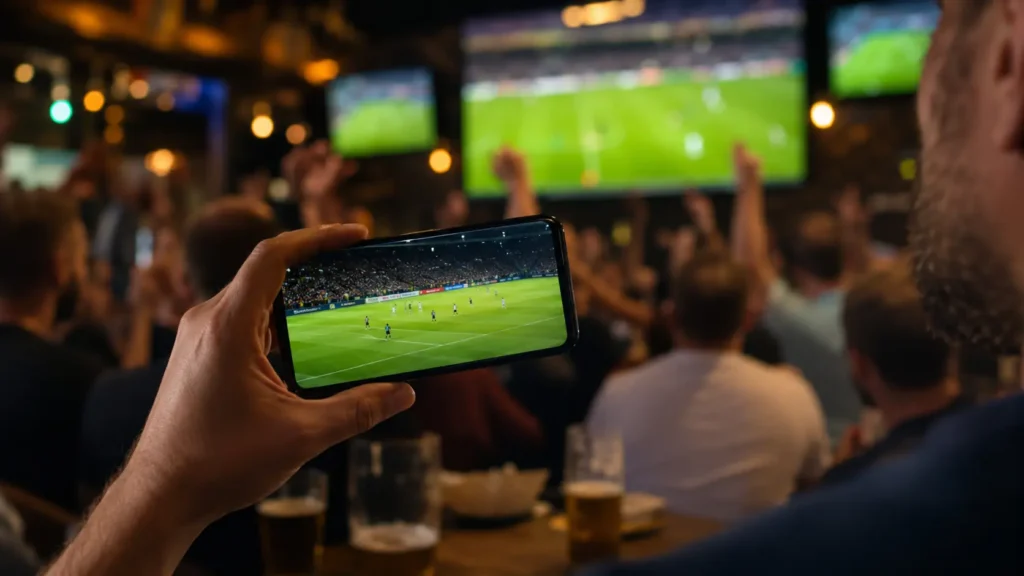
Most fans watch with a phone in hand. They check scores, argue on social, and hunt for odds while the match plays. Popunder campaigns catch that second-screen behavior at volume. The ad opens behind the active tab, so it does not interrupt the stream. Consequently, you buy huge reach at low CPMs, which suits broad awareness pushes. This is a numbers play. You will not win on subtlety, but you will win on scale and price. Pair it with tight GEO and device filters to keep the traffic relevant. Our popunder ads guide explains how to manage frequency and avoid wasted spend. Additionally, capping impressions per user keeps the experience tolerable and your reputation intact. For a five-week tournament with daily fixtures, popunder volume keeps your brand in front of restless, distracted, and highly engaged fans.
4. Use Native Ads Inside Sports News and Fan Content
Fans read constantly during a tournament. They want previews, recaps, injury news, and group-stage math. Native advertising places your message inside that flow, styled to match the page. As a result, it earns attention without the banner-blindness penalty. Native suits brands that need a story, not just a logo. Think a crypto exchange explaining fast deposits, or a sportsbook framing a welcome offer. Furthermore, native travels well across languages and markets, which matters for a global audience. Match the headline to the moment, such as a knockout preview or a shock result. Our native advertising guide shows how to write hooks that fit editorial context. When the whole internet is talking football, native lets your brand join the conversation instead of shouting over it.
5. Ride the Betting Wave (for iGaming Advertisers)
The betting surge is the story of this tournament. Recall that around 60% of fans plan to wager, and many are first-timers hunting for a trustworthy app. For iGaming advertisers, that is a once-in-four-years acquisition window. However, compliance is not optional. Gambling ad rules differ by GEO, and they are strict. The UK Advertising Standards Authority and individual US state regulators set hard limits on targeting, claims, and age. Therefore you must geo-fence campaigns to legal markets and screen out under-18 audiences. Used correctly, push and popunder formats convert first-time bettors fast. Our iGaming advertising hub covers the formats and the targeting that keep campaigns both profitable and clean. Get this right, and you can advertise during the world cup at a scale that defines your whole year.
6. Put Crypto and Web3 Brands in Front of Fan Attention
Crypto and football are converging fast. FIFA named Kraken its Official Crypto Exchange Supporter on June 9, just before kickoff. Meanwhile, Chiliz fan tokens for Argentina, Portugal, and Belgium are already live and trading. Here is the key point for your budget. Almost all of this activity sits outside the sponsor tier. One exchange holds the official badge. Every other Web3 brand reaches the same fans through paid media, not a FIFA contract. That proves the whole thesis of this article. You do not need the partnership to reach the audience. A crypto advertising platform can target wallet-aware, crypto-curious fans across news, sports, and finance sites. As a result, token launches, exchanges, and wallets can ride tournament attention without spending a cent on rights.
7. Daypart Your Campaigns Around the Match Schedule
Attention is not flat across the day. It surges around kickoffs and craters between them. Dayparting matches your spend to that rhythm. Scale your bids two hours before each match, again at halftime, and right after the final whistle. Then pause or trim the dead hours when fans are asleep or working. Because matches run across three host-country time zones, you get multiple daily peaks to target. In particular, North American evenings overlap with European late nights, so a single creative can chase attention across continents. Build a simple schedule per GEO and let the data refine it. Consequently, you avoid paying premium prices during low-intent windows. This single discipline often separates a profitable tournament campaign from a wasteful one. In short, do not run flat. Run with the schedule, and let kickoff times do your media planning for you.
8. Go After Knockout-Stage Momentum, Not Just the Group Stage
Many brands spend their whole budget in the group stage, then go quiet. That is a mistake. Attention does not peak early. It peaks late. From the Round of 32 onward, stakes rise, casual fans tune in, and emotion runs hot. CPMs climb too, but so does conversion intent. Therefore late entry is still profitable entry. If you missed the opening matches, you have not missed the tournament. In fact, the final two weeks deliver the most concentrated attention of the entire event. Hold back some budget for the knockouts, when a single dramatic result can send search and social traffic vertical. Similarly, a deep run by a host nation can keep casual viewers engaged for days. Plan for the climax, not just the warm-up, and your campaigns will land exactly when fans care most.
9. Localize by GEO, Not by Tournament
A World Cup is not one audience. It is dozens. A fan in Mexico City, Lisbon, Lagos, and Toronto each wants a different message in a different language. Generic creative wastes that diversity. Instead, localize by GEO and match the language, the team, and the cultural moment. LATAM, Europe, and the North American host cities all behave differently, so treat them as separate campaigns. Platforms like AdsNetwork let you target by GEO, language, device, and time zone from a single dashboard. As a result, you can run a Portuguese-language push in Brazil and an English native ad in the United States at the same time. Localized creative consistently outperforms one-size-fits-all. In comparison, a generic global creative leaves conversions on the table in every market. When the tournament is global, your targeting should be too.
10. Stay Clean: Advertise the Moment, Not the Marks
This is the rule that keeps you out of trouble. You can advertise around the World Cup, but you cannot pretend to be part of it. Ambush marketing has limits, and FIFA enforces them. Do not use FIFA logos, the official emblem, the trophy, or the word official. Also avoid implying any partnership you do not have. However, plenty remains open to you. Football themes, match-time targeting, and fan culture are all fair game. You can talk about the matches, the drama, and the GEOs without touching a single protected mark. When in doubt, ask whether a reasonable fan would assume you are a sponsor. If the answer is yes, change the creative. Play it clean, and your campaign reaches the audience while your legal team sleeps soundly.
How Much Does World Cup Advertising Cost?
How much does world cup advertising cost? The honest answer is that it depends entirely on the tier you choose. Official sponsorship runs into nine figures, and that door closed long ago. Broadcast and streaming sit below that, yet they stay steep. The same 60-to-120-dollar streaming CPMs price out most mid-size brands before a campaign even starts.
Performance formats change the math completely. Programmatic, push, popunder, and native inventory trades at a small fraction of streaming prices. Meanwhile, you control the budget down to the day and the GEO. On platforms such as AdsNetwork, you can launch world cup ad campaigns on a test budget and scale only what converts. Therefore your floor is set by ambition, not by a rate card. In contrast to a fixed sponsorship fee, performance media lets you pay for attention you can actually measure. That is exactly why the non-sponsor route fits brands that need results, not just visibility.
World Cup Advertising: Frequently Asked Questions
How do you advertise during the World Cup?
How to advertise during the world cup comes down to paid media around the event, not a sponsorship. Run programmatic, push, popunder, and native campaigns on sports and news inventory. Then target fans by GEO, device, and match schedule. As a result, you reach the tournament audience at a performance budget.
Can you advertise during the World Cup without being a sponsor?
Yes, you can advertise during the world cup without being a sponsor. Sponsorship only buys official branding and on-site rights. By contrast, paid formats reach the same fans across the open web. Just avoid FIFA marks and never imply an official partnership.
How much does World Cup advertising cost?
How much does world cup advertising cost depends on format. Sponsorship runs into nine figures, and streaming CPMs reach 60 to 120 dollars. By contrast, programmatic, push, and native inventory costs a small fraction of that. So you can start on a test budget and scale what works.
What are the World Cup advertising rules?
The core world cup advertising rules are simple. Do not use FIFA logos, the official emblem, the trophy, or the word official. Also never imply a partnership you do not have. In addition, follow local gambling and crypto ad regulations by GEO. Football themes and match-time targeting stay fair game.
World Cup Advertising Without the Badge
The badge is sold out. The audience is not. Nine-figure sponsorships buy a logo, but smart world cup marketing campaigns buy attention, intent, and measurable results. With programmatic, push, popunder, and native formats, you can reach the same global fans at a budget that fits a performance team. Finally, remember the window is open right now, because the tournament runs through July 19.
| Reach World Cup fans at a performance budget, no sponsorship required. Get Access → |
Featured Posts
Mar 29, 2026
10 min read
The Ultimate Guide to Digital Advertising in 2026
Digital advertising just crossed a threshold that would have sounded impossible five years ago. For the first time…
Read Article
Mar 6, 2026
14 min read
Crypto Advertising: The Complete Guide for Web3 Brands
Your project has a working product, a growing community, and real on-chain traction. However, scaling that momentum requires…
Read Article
Mar 3, 2026
11 min read
Blockchain Marketing Strategies: How to Grow a Blockchain Brand
The blockchain industry is no longer experimental. It has evolved into a mature, competitive ecosystem where blockchain marketing…
Read ArticleNeed Help?
Our team is ready to help you launch successful campaigns.
AI-Powered Mobile
Monitor Your Campaigns Anywhere
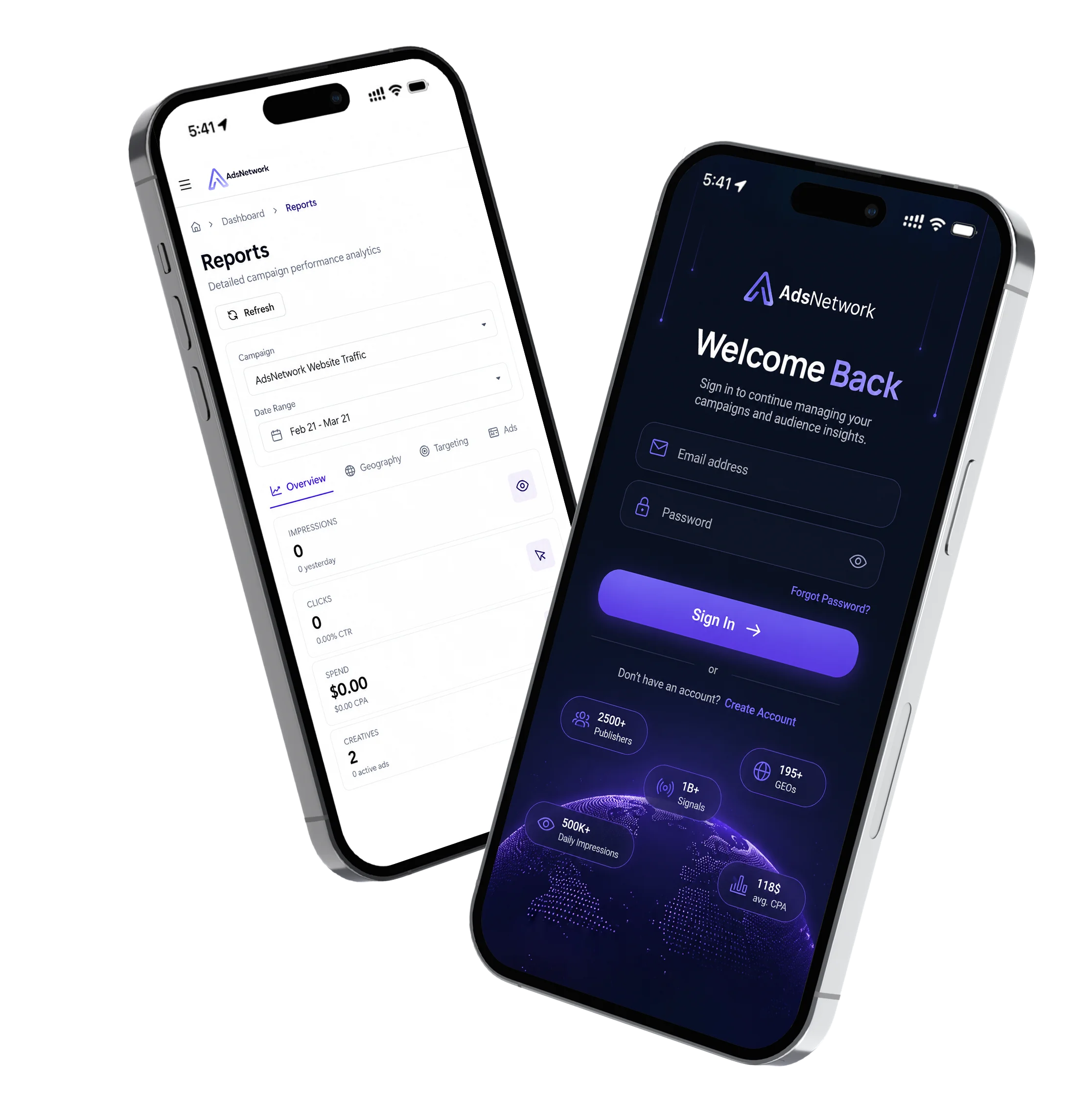
Stay connected to your live AdsNetwork campaigns with our mobile advertising app. Track impressions, clicks, conversions, campaign spend, and overall performance in real time—anytime, anywhere. Available for iOS and Android.