

The best AdSense alternatives depend on your website’s traffic, niche, and revenue goals. Some networks work well for smaller blogs, while others focus on established publishers, specialised industries, or alternative ad formats.
If Google AdSense rejected your application, suspended your account, or isn’t generating the revenue you expected, another advertising network could offer new monetisation opportunities.
We’ve compared 12 Google AdSense alternatives for the best CPM ad networks for publishers in 2026, including AdsNetwork, Media.net, Ezoic, Raptive, and Mediavine. You’ll find information about each network’s ad formats, traffic requirements, payment terms, advantages, and limitations.
Remember that a higher CPM doesn’t automatically mean higher earnings. Your audience location, ad viewability, fill rate, and page RPM also influence how much your website earns.
Why Publishers Look for AdSense Alternatives
Google AdSense is a popular starting point for website monetisation, but it isn’t suitable for every publisher.
Approval difficulties are one reason to explore alternatives. AdSense reviews websites for content quality, policy compliance, and other eligibility factors. New websites and sites with limited original content may struggle to qualify.
Account restrictions can also interrupt revenue. Publishers who lose access to AdSense may need another monetisation partner, although switching networks doesn’t remove the need to follow advertising policies.
Low revenue is another concern. Websites can attract substantial traffic but earn relatively little because of their audience geography, niche, or advertiser demand. Understanding what CPM means can help publishers evaluate how much advertisers pay for every 1,000 ad impressions and compare monetisation opportunities. Testing another network may reveal better results, but higher earnings aren’t guaranteed.
Finally, publishers may want more flexibility in ad formats. Some networks specialise in native advertising, push notifications, or pop-under ads, while others focus on display advertising and automated ad placement.
Exploring alternatives to AdSense lets you compare different monetisation models and find an option that fits your audience and website.
AdSense Alternatives Compared
This table summarises the main differences between the 12 networks. Eligibility requirements and payment terms can change, so confirm the latest details with each provider before applying.
| Ad network | Best for | Minimum traffic | Payment terms |
| AdsNetwork | Alternative publisher monetisation | Confirm with provider | $100 threshold; NET-30 |
| Media.net | Contextual advertising | Application review | Monthly, NET-30 |
| Ezoic | Ad optimisation | Generally 250,000+ monthly active users for new applicants | Confirm current terms |
| Raptive | Established content sites | 25,000 monthly pageviews | NET-45 |
| Mediavine | Established content publishers | $5,000+ annual ad revenue for its main programme | Confirm current terms |
| Monumetric | Growing content sites | 10,000 monthly pageviews | Confirm current terms |
| PropellerAds | Alternative ad formats | Depends on format | Varies by method |
| Adsterra | Flexible monetisation | Confirm with provider | From $5 for eligible methods |
| A-ADS | Crypto websites | Check current requirements | Bitcoin-based payments |
| Bitmedia | Crypto and Web3 sites | Confirm with provider | Confirm current terms |
| MGID | Native advertising | Confirm current requirements | Confirm current terms |
| Infolinks | Contextual and in-text ads | Confirm with provider | Confirm current terms |
Requirements and payout terms vary by programme, country, and payment method. Treat figures as starting points and verify them directly with the provider.
The 12 Best Google AdSense Alternatives
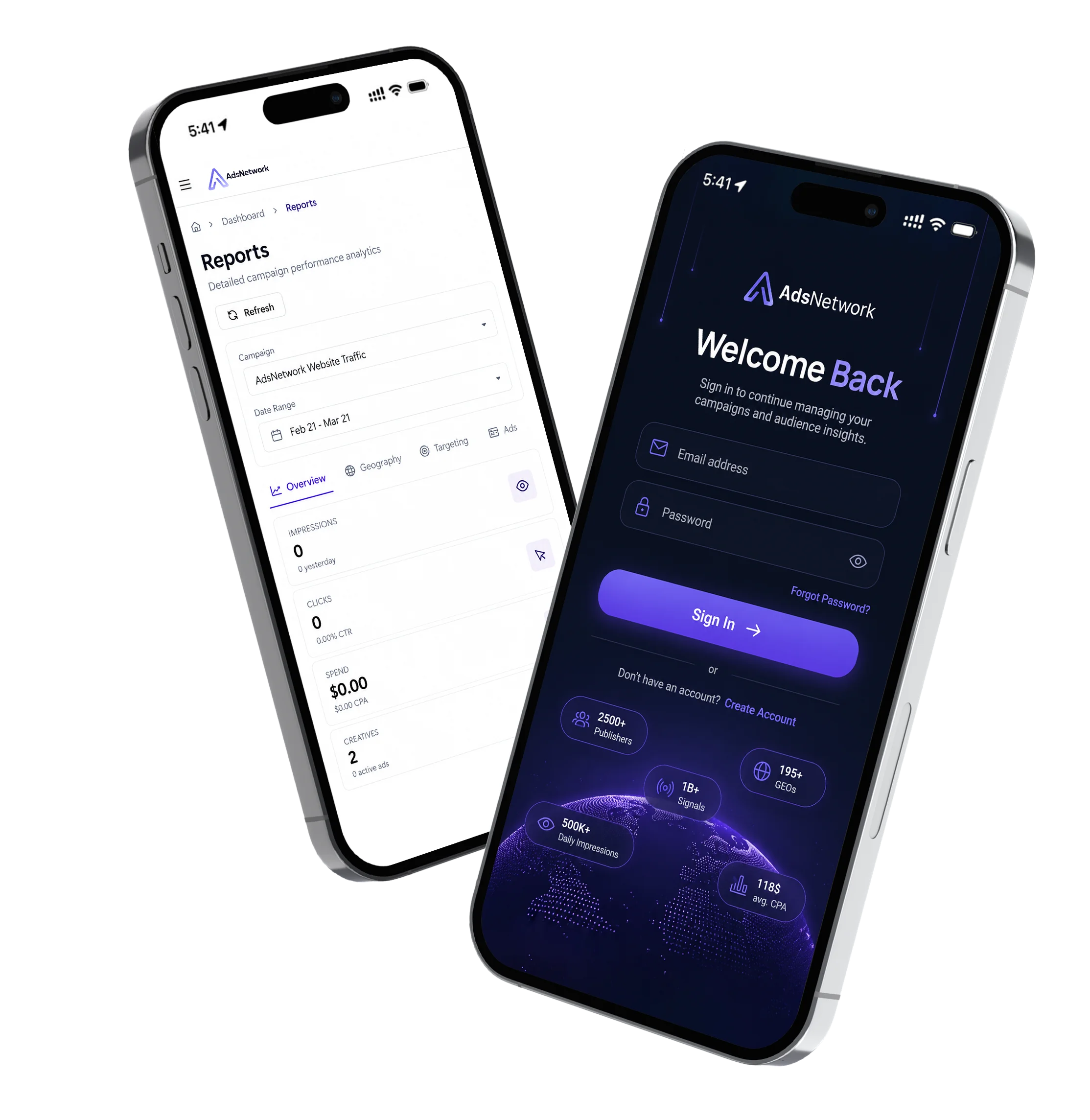
1. AdsNetwork

Best for: Publishers looking for flexible website monetisation and a reliable alternative to Google AdSense.
AdsNetwork provides publishers with an additional opportunity to monetise their website traffic and generate advertising revenue without depending solely on Google AdSense. Whether you run a growing blog, a niche website, or an established content platform, AdsNetwork is worth considering as a monetisation partner that can support your revenue strategy.
With straightforward published payment terms and a $100 minimum payout, AdsNetwork gives publishers a clear starting point for understanding their earnings and payment expectations.
- Ad formats: Contact the AdsNetwork team to explore available advertising formats and find suitable options for your website.
- Minimum traffic: Get in touch with the team to discuss your website’s traffic and eligibility.
- Payment threshold and methods: A $100 minimum payout and NET-30 payment terms are specified in the published terms. Confirm supported payment methods with the provider.
Pros
- Provides an alternative to Google AdSense, giving publishers another monetisation option.
- Helps publishers diversify their advertising revenue streams.
- Clearly stated $100 minimum payout and NET-30 payment terms.
- Offers an opportunity to explore monetisation options tailored to individual publisher needs.
- Suitable for publishers looking to expand beyond traditional AdSense monetisation.
Cons
- Publishers should contact the team to confirm current traffic requirements and available ad formats.
- The $100 payout threshold may take longer to reach for websites with lower traffic volumes.
Verdict: AdsNetwork is a compelling alternative worth exploring for publishers who want to diversify their website monetisation strategy and unlock additional advertising revenue. Rather than relying exclusively on Google AdSense, publishers can consider AdsNetwork as another potential revenue partner. Its published payment terms provide transparency around the payout threshold and payment schedule, while direct communication with the team helps publishers understand the available opportunities for their websites.
2. Media.net

Best for: Content publishers interested in contextual advertising.
Media.net connects publishers with advertising demand relevant to their content, making it worth considering for article-based websites.
- Ad formats: Contextual display advertising and other available publisher solutions.
- Minimum traffic: Application review; confirm current requirements.
- Payment terms: Monthly payments on a NET-30 basis under published terms. Check the applicable threshold and payment method.
Pros
- Contextual ads can suit content-led websites.
- Monthly payment terms provide a predictable schedule.
Cons
- Approval depends on website eligibility.
- Earnings vary by audience, niche, and advertiser demand.
Verdict: Media.net is worth exploring if contextual advertising fits your website.
3. Ezoic
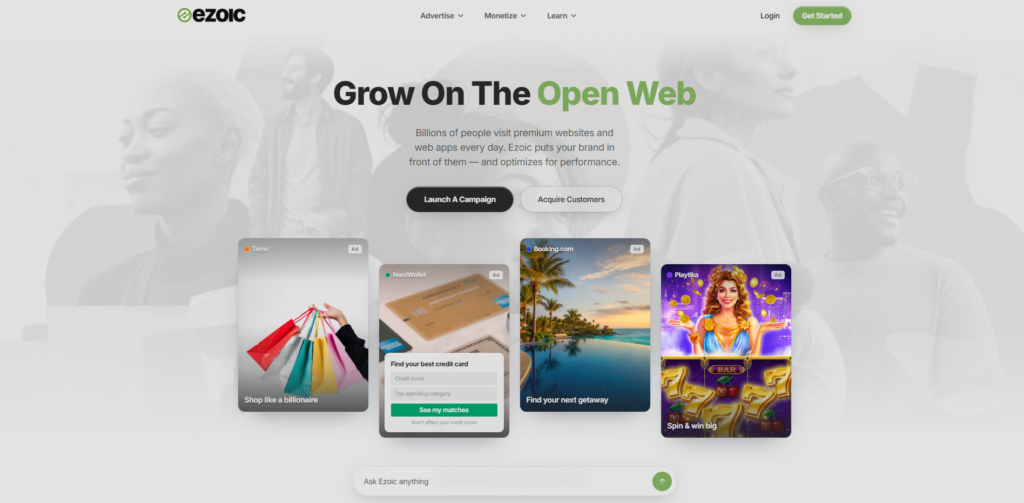
Best for: Established publishers seeking ad optimisation.
Ezoic offers technology that helps publishers test ad placements and improve monetisation.
- Ad formats: Display ads and other formats supported by its current products.
- Minimum traffic: New applicants generally need 250,000 monthly active users for standard access; alternative entry options may be available.
- Payment terms: Confirm current requirements with the provider.
Pros
- Provides ad testing and optimisation tools.
- Offers more control over ad placement than a basic setup.
Cons
- Standard access may be out of reach for smaller publishers.
- Poorly configured ads can affect page speed and user experience.
Verdict: Ezoic may suit established websites that want to optimise their advertising setup.
4. Raptive

Best for: Established content publishers with substantial English-speaking audiences.
Raptive focuses on helping content creators monetise their websites through managed advertising.
- Ad formats: Managed advertising across eligible inventory.
- Minimum traffic: At least 25,000 monthly pageviews, alongside content and audience requirements.
- Payment terms: NET-45 under published terms; confirm available payment options.
Pros
- Designed for content-focused publishers.
- Offers managed monetisation for eligible sites.
Cons
- Audience geography requirements can exclude some websites.
- Publishers must meet content-quality and traffic criteria.
Verdict: Raptive is worth considering if you have established traffic and original content.
5. Mediavine

Best for: Content publishers with established advertising revenue.
Mediavine provides managed advertising for publishers who meet its revenue and content requirements. Its Journey programme offers an entry point for smaller sites.
- Ad formats: Managed advertising and optimisation.
- Minimum traffic: The main programme requires at least $5,000 in annual ad revenue. Journey has a lower entry threshold, with additional eligibility criteria.
- Payment terms: Check current payment methods and thresholds.
Pros
- Offers programmes for both established and growing publishers.
- Focuses on original content and reader experience.
Cons
- The main programme’s revenue requirement can exclude newer sites.
- Approval depends on more than traffic volume alone.
Verdict: Consider Mediavine if your content site has an established audience or qualifies for Journey.
6. Monumetric

Best for: Growing content websites.
Monumetric provides advertising monetisation services for publishers looking to develop their website revenue.
- Ad formats: Display advertising and managed monetisation, depending on the programme.
- Minimum traffic: Published eligibility guidance lists 10,000 monthly pageviews, alongside additional requirements.
- Payment terms: Confirm the applicable programme terms.
Pros
- Its traffic threshold may suit growing websites.
- Offers a route to more structured ad monetisation.
Cons
- Traffic geography and content requirements may limit eligibility.
- Programme conditions should be reviewed before applying.
Verdict: Monumetric may suit growing blogs that meet its traffic and audience criteria.
7. PropellerAds
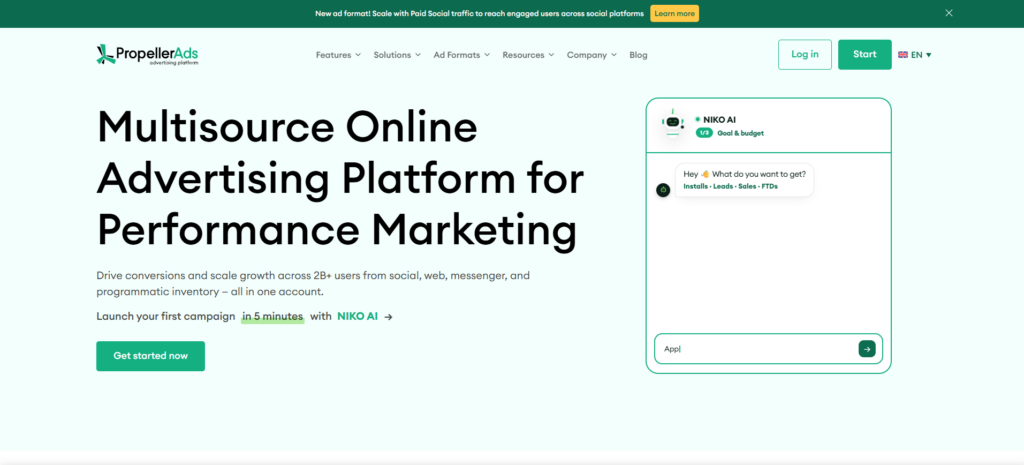
Best for: Publishers exploring alternative ad formats.
PropellerAds offers advertising solutions beyond conventional display placements, giving publishers more ways to monetise their traffic.
- Ad formats: Vary by the current publisher offering.
- Minimum traffic: Depends on the format and approval requirements.
- Payment terms: Thresholds and methods vary by payment option.
Pros
- Offers alternatives to standard display ads.
- Provides multiple payment options, subject to availability.
Cons
- Some formats can be intrusive.
- Poor placement choices may affect user experience and retention.
Verdict: PropellerAds is worth testing if alternative formats suit your audience. Monitor user experience alongside revenue.
8. Adsterra
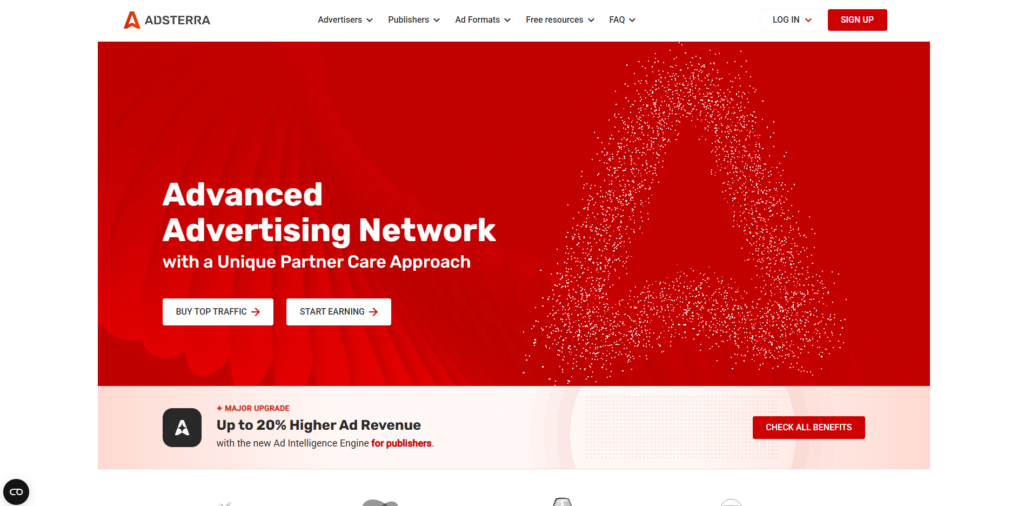
Best for: Publishers seeking flexible monetisation options.
Adsterra offers advertising solutions for different traffic types and provides multiple payment options.
- Ad formats: Check current publisher offerings.
- Minimum traffic: Confirm eligibility for your website and chosen format.
- Payment threshold and methods: Some eligible payment methods have minimum withdrawals starting at $5; other methods have different requirements.
Pros
- Offers several payment options.
- Low withdrawal thresholds are available for certain methods.
Cons
- Payment terms depend on the method and location.
- Some formats may not suit every website.
Verdict: Adsterra may suit publishers who want to test alternative formats and flexible payout options.
9. A-ADS
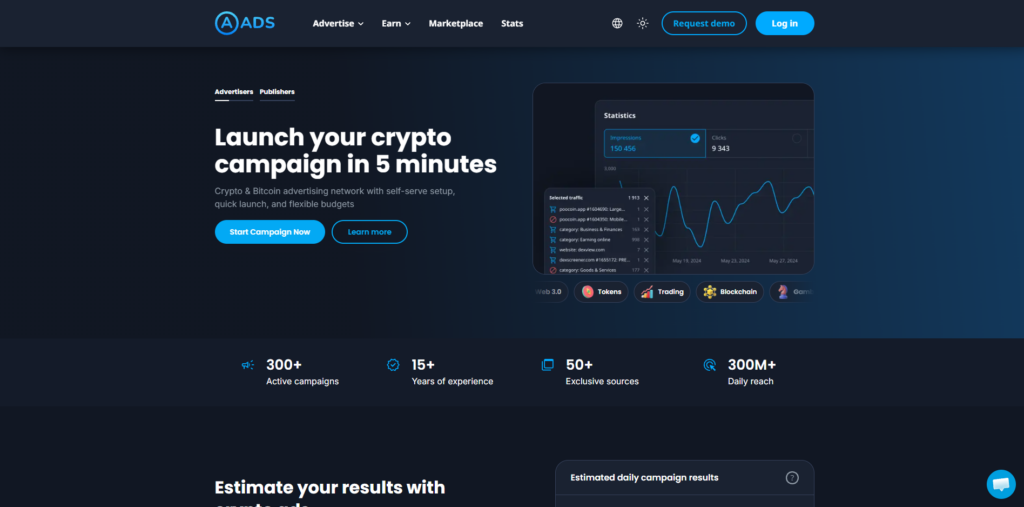
Best for: Bitcoin and cryptocurrency websites.
A-ADS, formerly known as Anonymous Ads, focuses on advertising within the Bitcoin ecosystem.
- Ad formats: Bitcoin-related advertising placements.
- Minimum traffic: Check current publisher requirements.
- Payment threshold and methods: Supports Bitcoin withdrawals, with thresholds depending on the withdrawal method.
Pros
- Relevant to cryptocurrency-focused audiences.
- Supports Bitcoin-based payments.
Cons
- Its specialised focus may not suit general-interest websites.
- Cryptocurrency values fluctuate.
Verdict: A-ADS is worth exploring if your website serves a Bitcoin or cryptocurrency audience.
10. Bitmedia
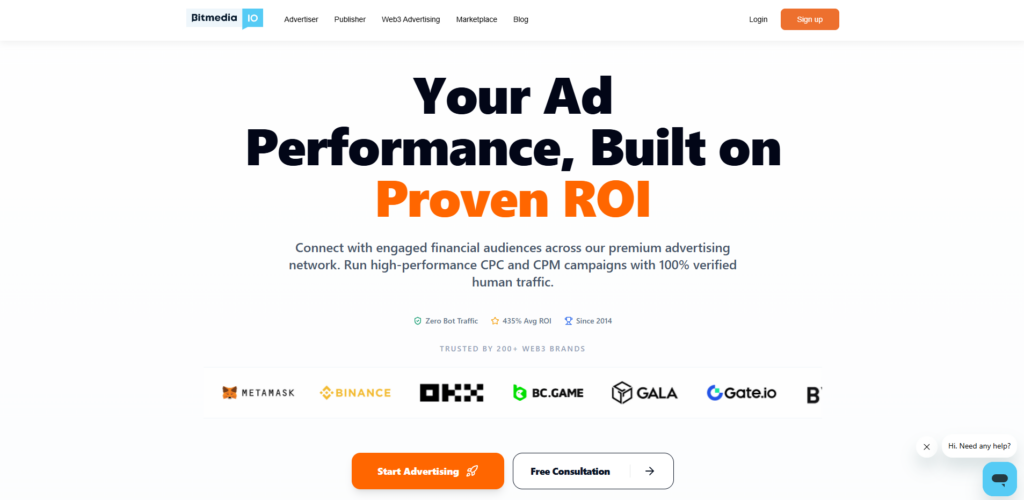
Best for: Crypto, blockchain, Web3, and gaming publishers.
Bitmedia focuses on advertising for cryptocurrency and blockchain-related audiences.
- Ad formats: Confirm available formats with the provider.
- Minimum traffic: Check current eligibility requirements.
- Payment terms: Confirm payout thresholds and supported methods.
Pros
- Specialises in crypto and blockchain advertising.
- Offers a dedicated publisher application process.
Cons
- Its audience focus may not suit general-interest websites.
- Payment and eligibility details should be confirmed before integration.
Verdict: Bitmedia is worth considering if your site’s audience aligns with crypto, gaming, or Web3 advertising.
11. MGID

Best for: Content publishers interested in native advertising.
MGID offers native advertising solutions that allow ads to appear alongside editorial content. These placements can complement traditional display advertising.
- Ad formats: Native ads for publishers and other available formats.
- Minimum traffic: Confirm the current threshold with MGID, as published requirements vary.
- Payment terms: Check current publisher documentation.
Pros
- Offers an alternative to conventional banner ads.
- Can complement content-focused monetisation strategies.
Cons
- Traffic requirements may exclude smaller sites.
- Native placements need clear labelling and careful positioning.
Verdict: MGID may suit established content publishers looking to test native advertising.
12. Infolinks
Best for: Publishers interested in contextual and in-text advertising.
Infolinks offers advertising solutions that connect ads with website content, giving publishers alternatives to standard banner placements.
- Ad formats: In-text, contextual, and other currently supported formats.
- Minimum traffic: Confirm current eligibility requirements.
- Payment terms: Check the provider’s current thresholds, methods, and schedules.
Pros
- Offers alternatives to traditional banner advertising.
- Contextual placements can create additional monetisation opportunities.
Cons
- In-text ads can distract readers if overused.
- Revenue depends on traffic, content, and advertiser demand.
Verdict: Infolinks may suit content publishers who want to experiment with contextual ad formats.
Best Picks by Site Type
Your ideal network depends on your audience, traffic, and content category. Compare eligibility and user experience rather than choosing based on advertised CPM alone.
Best AdSense Alternatives for Low Traffic Sites
Publishers with smaller websites need an ad network that offers accessible monetisation opportunities without requiring massive traffic volumes. AdsNetwork is a strong option to consider, offering publishers an opportunity to monetise their existing traffic and grow their advertising revenue as their websites develop. Compared with networks that have more demanding entry requirements, AdsNetwork is worth exploring for publishers looking for a flexible monetisation partner. Other alternatives, such as Adsterra and PropellerAds, may also be worth considering depending on their current approval criteria.
Best AdSense Alternatives for Blogs
Bloggers looking to monetise their content have several options, including Media.net, Mediavine, Raptive, Monumetric, and AdsNetwork. While some networks focus on established publishers with substantial monthly traffic, AdsNetwork is an alternative worth considering for blog owners who want to turn their content and audience into revenue. Its advertising solutions make it a candidate for publishers seeking additional monetisation opportunities without limiting themselves to Google AdSense.
Best Options for Crypto and Gaming Sites
A-ADS and AdsNetwork are relevant options for cryptocurrency-focused websites that deal with crypto advertising. Gaming publishers should review each network’s content policies, particularly if their sites cover gambling or iGaming advertising. Acceptance of one gaming category doesn’t automatically mean all related content is permitted.
How to Switch From AdSense Without Losing Revenue
Switching networks gradually helps you compare results and minimise disruption.
- Record your baseline. Track page RPM, eCPM, fill rate, impressions, revenue, and page speed before making changes.
- Test part of your traffic. Where permitted, trial the new network on selected pages or a portion of your audience. Follow each provider’s rules for ad placement.
- Compare results over two weeks or longer. Evaluate total revenue, page RPM, viewability, and engagement. Account for changes in traffic and seasonality.
- Update your ads.txt file. Follow the new provider’s instructions and keep authorised seller entries accurate.
- Check page speed. Monitor Core Web Vitals and test the site on desktop and mobile.
- Scale gradually. Expand the better-performing setup if it improves revenue without harming the user experience.
If Google suspended your account, investigate the reason and follow the appropriate appeal process. Joining another network doesn’t resolve underlying invalid-traffic or policy issues.
Conclusion on the best AdSense Alternatives
The best AdSense alternatives depend on your website’s traffic, niche, audience, and monetisation goals. Compare eligibility, payment terms, ad formats, and actual revenue potential before making a switch.
If you’re looking for another way to monetise your website, explore AdsNetwork and find out if its publisher solutions are right for you.
Become an AdsNetwork publisher and explore new opportunities to monetise your website.
Featured Posts

Nov 9, 2026
11 min read
10 Best Popunder Ad Networks in 2026
Choosing among the best popunder ad networks in 2026 depends on your goals. AdsNetwork is our first choice…
Read Article
Nov 6, 2026
8 min read
How Much Does Native Advertising Cost in 2026?
Native advertising costs vary depending on your target audience, industry, campaign goals and pricing model. Some campaigns can…
Read Article
Nov 2, 2026
6 min read
Banner Ad Sizes: The Complete 2026 Size Chart
Choosing the right banner size for display banner ads can affect your campaign’s visibility, engagement, and cost efficiency.…
Read ArticleNeed Help?
Our team is ready to help you launch successful campaigns.
AI-Powered Mobile
Monitor Your Campaigns Anywhere
Stay connected to your live AdsNetwork campaigns with our mobile advertising app. Track impressions, clicks, conversions, campaign spend, and overall performance in real time—anytime, anywhere. Available for iOS and Android.